
Common Packaging Automation Opportunities: Where Robots Deliver the Most Value
What This Resource Covers & Why This Topic Matters
Many manufacturing companies know that automation can improve packaging operations, but identifying where automation will actually produce measurable benefits is often more difficult. Packaging lines contain multiple processes—from product handling to case packing to palletizing—and not every task benefits equally from automation.
The packaging reports referenced in this series show that automation investments are most effective when they target repetitive, high-volume operations where manual labor introduces throughput limitations, variability, or ergonomic risk. Packaging tasks involving frequent lifting, precise product placement, or high-speed repetitive motion are particularly well suited for robotic and semi-automated systems.
Understanding where automation produces the greatest operational impact helps manufacturers prioritize investments and avoid installing expensive equipment in areas where it will not significantly improve performance.
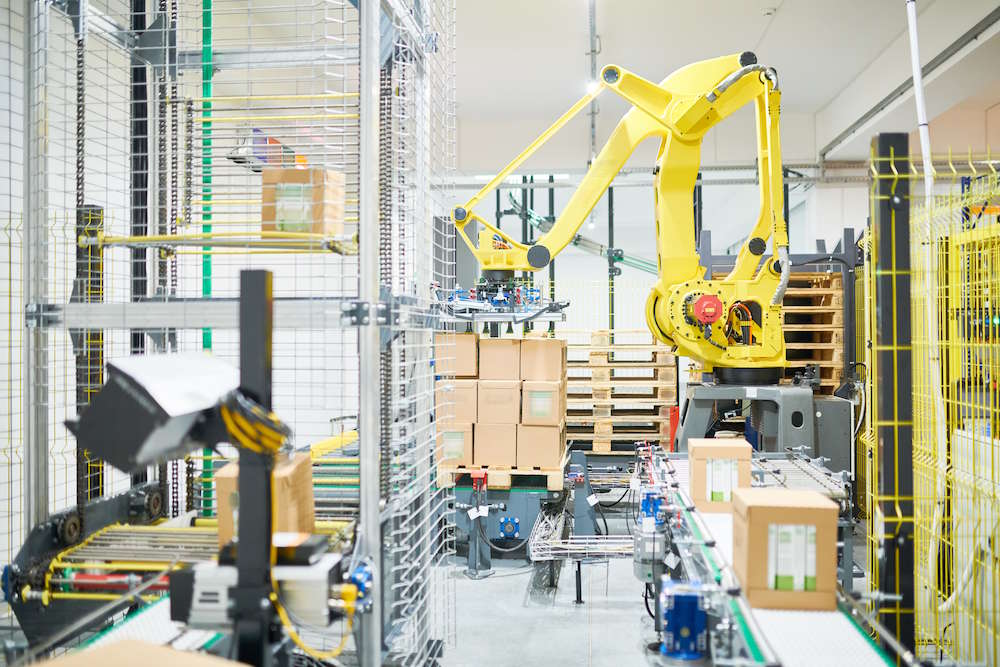
Typical Equipment in This System
Automation opportunities in packaging lines often involve integrating new equipment with existing systems.
| Equipment | Role in Packaging Automation |
|---|---|
| Industrial robots | Perform pick-and-place handling tasks |
| Product conveyors | Transport products between packaging stations |
| Vision systems | Detect product position or verify quality |
| Case packing machines | Load products into cartons |
| Palletizing systems | Stack finished cartons onto pallets |
| Inspection systems | Identify defects or labeling errors |
| PLC / line control systems | Coordinate automation between machines |
These technologies are typically introduced in stages as manufacturers gradually automate different parts of the packaging workflow.
RBTX Learn Interpretation: Where Automation Makes the Most Impact in Packaging
On real production lines, automation investments typically succeed when they target tasks that are repetitive, physically demanding, or difficult to scale with manual labor.
Manual Product Handling
One of the most common automation opportunities appears in product handling between packaging stages. Workers frequently move products from conveyors into trays, cartons, or sorting systems.
These tasks involve repetitive picking and placement motions that can limit production speed. Robots like high-speed deltas equipped with vacuum or mechanical grippers can perform these motions continuously, maintaining consistent cycle times without fatigue.
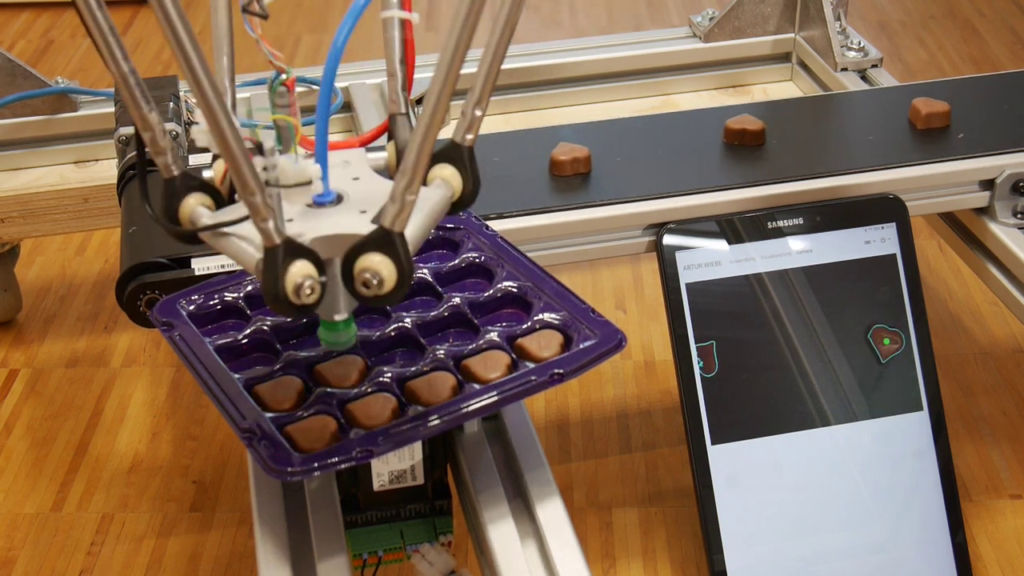
Because robots can operate continuously at predictable speeds, they often stabilize packaging throughput when manual handling becomes inconsistent.
Case Packing Operations
Case packing—placing individual products into shipping cartons—is another area where automation often produces significant benefits. Manual case packing requires workers to match the speed of upstream packaging equipment while maintaining consistent packing patterns.
When production rates increase, manual loading may become the limiting factor in the packaging line. Automated case packers or robotic pick-and-place systems can maintain higher throughput while ensuring consistent product placement inside cartons.
Inspection and Quality Verification
Packaging operations frequently include inspection steps to verify product presence, label accuracy, or packaging integrity. Machine vision systems for packaging line inspection and verification can perform these checks faster and more consistently than manual visual inspection.
Automated inspection systems also reduce the risk of defective packaging reaching downstream processes such as case packing or palletizing.
End-of-Line Palletizing
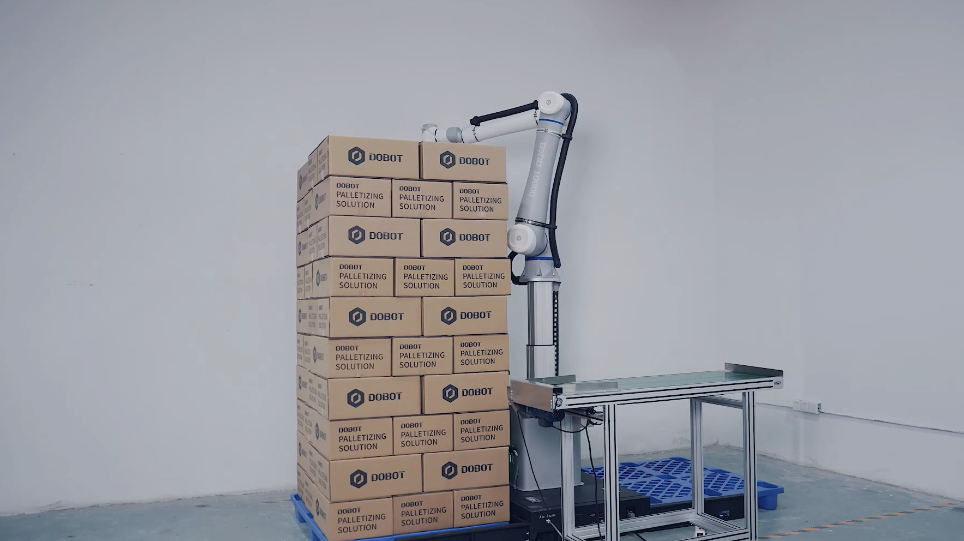
Palletizing is one of the most widely automated packaging tasks because it involves repetitive lifting of heavy cartons. Manual palletizing can create ergonomic strain for workers and may limit the maximum speed of packaging lines.
Robotic palletizing systems can stack cartons into consistent pallet patterns while maintaining continuous operation. This automation is particularly valuable in facilities running high-volume packaging lines, where the palletizing ROI math typically produces a 12 to 18 month payback.
Sorting and Product Distribution
Some packaging operations require products to be sorted into different packaging formats or shipping destinations. Automation equipment such as diverters, robotic sorting systems, or automated conveyors can distribute products quickly and accurately.
Automated sorting reduces manual handling while ensuring that products reach the correct packaging stations.
Implementation Reality Check
Although many packaging processes can be automated, successful implementation depends on several practical factors.
Products must be presented consistently for robots or automated systems to handle them reliably. If products arrive in unpredictable orientations or spacing, additional equipment such as vision systems or orientation mechanisms may be required.
Automation investments must also align with packaging line throughput and cases-per-minute balance. Installing a robotic system capable of higher speeds will not improve production if the upstream equipment cannot supply products at that rate, creating a bottleneck.
For this reason, manufacturers often evaluate automation opportunities using a system-level analysis of the packaging line rather than focusing on individual machines.
How RBTX Learn Recommends Using This Information
RBTX Learn recommends identifying automation opportunities in packaging lines by focusing on operations that combine three characteristics:
- repetitive motion
- high production volume
- physical strain for workers
Tasks that meet these criteria are typically strong candidates for robotic automation.
Manufacturers can begin automation efforts by targeting a single packaging process—such as palletizing or case packing—and expanding automation gradually as production needs grow.
Continue exploring packaging automation
Automation applications in upstream packaging operations: singulation, vision-guided orientation, and accumulation buffering
Automation applications in downstream packaging operations: case sealing, labeling, palletizing, and stretch wrapping
Upstream vs. downstream packaging automation: sequencing your investment
The global market potential for packaging automation solutions, 2024–2035