
Packaging Line Bottlenecks: How Throughput Limits Automation Performance
What This Resource Covers & Why This Topic Matters
Packaging lines are often evaluated based on the speed of individual machines: how fast a filler runs, how many cartons a case packer can load, or how many pallets a robot can build per minute. However, the true performance of a packaging system is not determined by its fastest machine. It is determined by its slowest constraint.
This constraint — commonly called a bottleneck — limits the throughput of the entire packaging line. If one station processes products slower than the others, upstream machines must slow down or products will accumulate between stations.
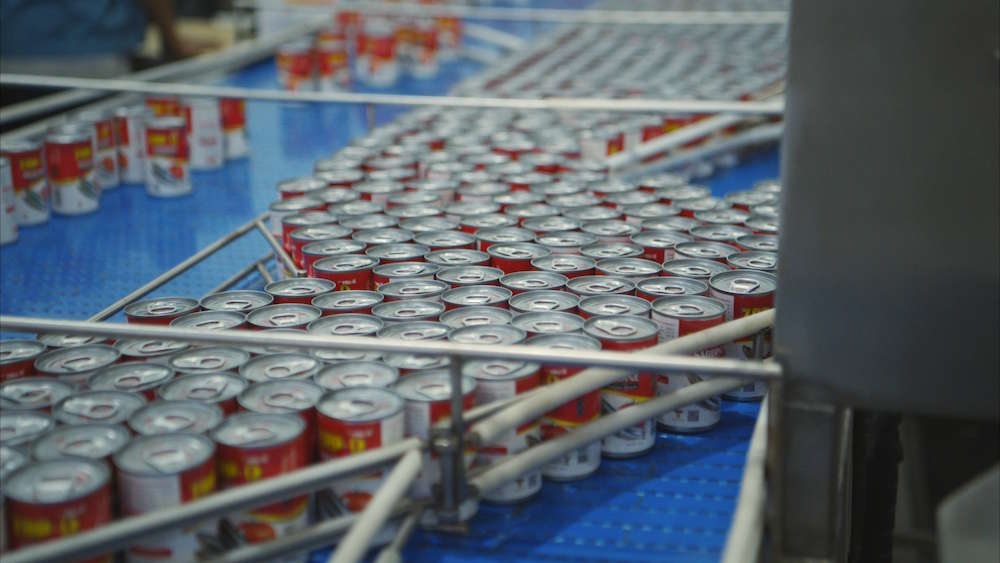
Understanding packaging bottlenecks is critical for engineers designing automated packaging systems and for identifying where automation actually delivers measurable value on a packaging line. A robot that can theoretically run 30 cases per minute does not increase production if the upstream case packer can only supply 18 cases per minute. Likewise, installing high-speed palletizing equipment will not improve performance if cartons arrive irregularly from upstream operations.
The packaging reports referenced for this series emphasize that many modern packaging lines must coordinate multiple automated stations—including conveyors, case packing equipment, and palletizing systems — to maintain consistent throughput. When these systems are not balanced, production instability appears across the line.
Typical Equipment in This System
Packaging bottlenecks can occur at any stage of the line. The following equipment commonly influences overall throughput.
| Equipment | Role in Packaging Line Throughput |
|---|---|
| Primary packaging machines | Filling, forming, or sealing products before secondary packaging |
| Product conveyors | Transport products between packaging stages |
| Case packers | Load products into cartons |
| Case sealers | Close and seal cartons |
| Vision inspection systems | Verify packaging quality or label presence |
| Robotic palletizers | Stack cartons onto pallets |
| Control systems (PLC / line controller) | Coordinate timing between machines |
Because these systems operate sequentially, the slowest step in the sequence sets the maximum throughput for the entire line.
RBTX Learn Interpretation: How Bottlenecks Appear on Real Packaging Lines
On a factory floor, bottlenecks are rarely obvious during initial system design. They emerge once machines begin interacting with each other under real production conditions.
Upstream Packaging Bottlenecks
Primary packaging equipment and upstream automation often determine the maximum output of the entire system. Filling machines, bagging machines, or product assembly equipment establish the base production rate before products enter downstream packaging.
For example, if a primary packaging system produces 120 products per minute, but the case packing system can only load 100 products per minute, accumulation will occur between those stations. Eventually the upstream machine must slow down or stop.
These constraints are particularly common when older packaging equipment is connected to newer automated systems.
Conveyor Flow Constraints
Conveyors are sometimes overlooked when analyzing throughput. However, poorly designed conveyor systems can introduce major bottlenecks.
Common causes include:
- insufficient accumulation space
- inconsistent product spacing
- poorly timed merges between multiple lines
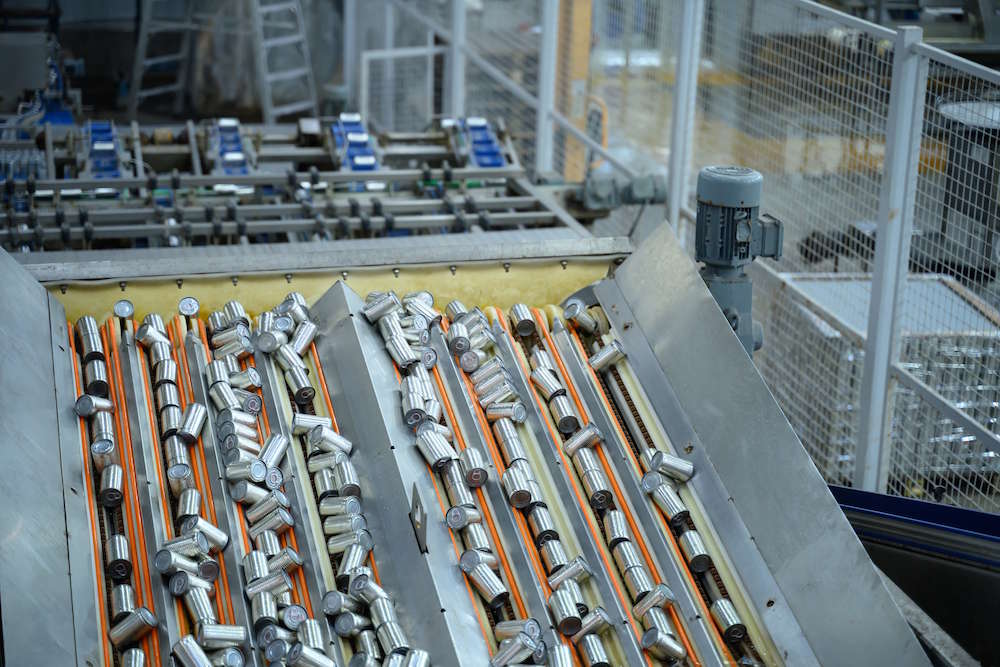
If products arrive unevenly at downstream equipment, robots and case packers must pause between picks, reducing effective throughput.
Case Packing Constraints
Case packing stations frequently become bottlenecks because they convert high-speed product flow into organized cartons. Manual case packing is particularly vulnerable to this problem.
Workers must maintain consistent loading speed while performing repetitive motions. Fatigue or variation in worker pace can cause packaging rates to fluctuate, forcing upstream machines to slow down.
Automated case packers or robotic systems are often installed specifically to stabilize this stage of production.
Palletizing Constraints
End-of-line palletizing and other downstream packaging operations can also limit packaging performance. If robots or palletizers cannot maintain the incoming carton flow rate, cartons accumulate on conveyors and slow upstream packaging operations. When palletizing is the main constraint, the financial case for automating it is often the most straightforward on the packaging line.
In high-speed environments, robotic palletizing systems often rely on layer-forming equipment to maintain throughput. This allows robots to place multiple cartons or entire layers at once instead of picking single cartons sequentially.
Machine Changeovers and Product Variation
Another source of bottlenecks appears during product changeovers. Packaging lines that process multiple SKUs may require adjustments to case packers, palletizing patterns, or inspection systems.
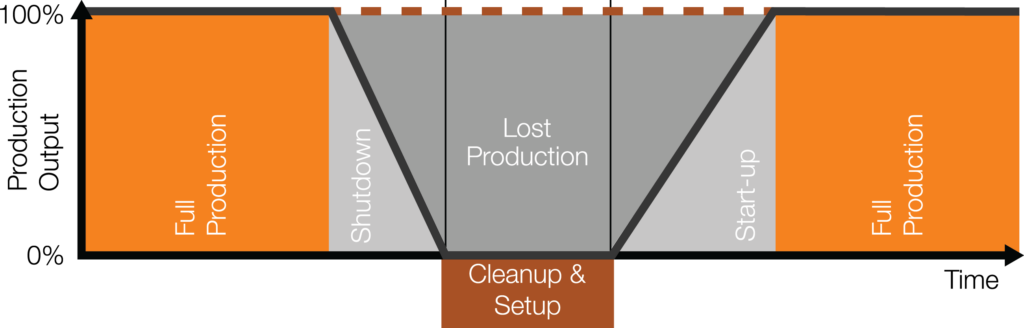
If changeovers take longer than expected, production downtime increases and the effective throughput of the line decreases. Flexible automation — such as programmable robots and software-controlled pattern changes — can reduce this constraint.
Implementation Reality Check
In many facilities, packaging bottlenecks are discovered only after automation equipment is installed. Engineers may focus heavily on the speed of individual machines without analyzing how those machines interact with the rest of the line.
A robot capable of handling 25 cases per minute does not guarantee that the packaging line will achieve that output. The upstream case packer must supply cartons at that rate, conveyors must maintain stable spacing, and pallet patterns must allow the robot to operate without interruption.
For this reason, engineers often analyze packaging systems using throughput engineering and cases-per-minute line balancing models that compare the cycle time of each station. These models help determine where throughput limitations exist before new equipment is installed.
How RBTX Learn Recommends Using This Information
RBTX Learn recommends analyzing packaging lines as integrated systems rather than individual machines. When evaluating automation investments, engineers should identify which station currently limits throughput and focus improvements there.
In many cases, improving conveyor flow, optimizing case packing operations, or adjusting palletizing strategies can increase packaging throughput without replacing every machine on the line.
By identifying and resolving bottlenecks strategically, manufacturers can improve production efficiency while making more targeted automation investments.
Related RBTX Learn Resources
- Throughput engineering in packaging lines: cases-per-minute and line balancing
- Upstream vs. downstream packaging automation: how the two systems interact
- Automation applications in upstream packaging operations
- Automation applications in downstream packaging operations
- Robotic case packing systems: how robots automate secondary packaging