
Vision Systems in Packaging Lines: Inspection, Verification, and Automation Integration
Article Type: Technical
What This Resource Covers & Why This Topic Matters
Machine vision systems have become a critical component of modern packaging automation across every line stage. These systems allow manufacturers to automatically inspect products, verify packaging accuracy, and maintain traceability across high-speed production lines.
Packaging operations must ensure that finished products leaving the production line meet strict quality and labeling requirements. Errors such as incorrect labels, unreadable barcodes, missing components, or damaged packaging can create serious downstream problems in logistics and distribution.
Traditional packaging inspection often relied on human operators to visually confirm product quality. However, modern packaging lines frequently process dozens or even hundreds of units per minute, making manual inspection unreliable and inconsistent.
Machine vision systems address this challenge by capturing images of products or packaging and analyzing them using automated inspection algorithms. These systems allow manufacturers to verify packaging accuracy, maintain product traceability, and detect defects without slowing production.
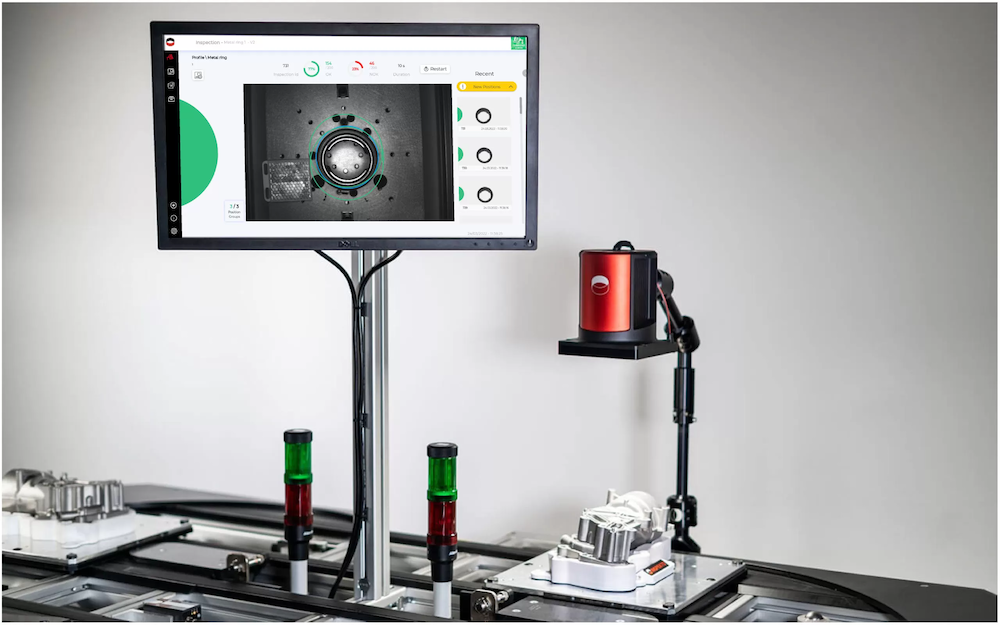
Typical Equipment in This System
| Equipment | Role in Packaging Vision Systems |
|---|---|
| Industrial cameras | Capture images of products or packaging during inspection |
| Lighting systems | Provide controlled illumination for consistent image quality |
| Vision controllers | Process captured images and run inspection algorithms |
| Barcode readers | Verify 1D or 2D codes used for traceability |
| PLC interface | Communicate inspection results to packaging equipment |
| Reject mechanisms | Remove defective products from the production line |
These systems are typically installed at specific inspection points within the packaging process.
RBTX Learn Interpretation: What Vision Solutions Look Like on a Real Packaging Line
On a real packaging line, vision systems are deployed at specific inspection stations where visual verification must occur before products move further downstream. Each station solves a different operational challenge.
Product Presence Verification
One of the most common uses of machine vision occurs in upstream packaging operations before case packing or tray loading. Cameras mounted above a conveyor inspect product groupings to confirm that the correct number of items are present before entering the next packaging stage.
For example, a packaging system may require six products to enter a robotic case packer at once. A vision system verifies that all six items are present and properly positioned. If the camera detects missing or misaligned products, the system can stop the machine or reject the grouping before incorrect packaging occurs.
Label Placement Inspection
Vision systems are frequently installed immediately after labeling machines in downstream packaging sequences. Cameras inspect each product to verify that labels are correctly positioned, aligned, and attached.
Inspection algorithms can detect label wrinkles, incorrect placement, or missing labels. This ensures that packaging leaving the line meets branding and regulatory requirements before moving into distribution.
Barcode Verification and Traceability
Many packaging lines rely on barcode systems to track products through warehouses and logistics networks. Vision systems verify that printed barcodes are readable and contain the correct data.
These systems analyze barcode contrast, clarity, and positioning to ensure scanners downstream can reliably read the code. If the system detects unreadable or incorrect barcodes, the product is automatically rejected before palletizing.
Packaging Integrity Inspection
Vision systems are also used to detect physical packaging defects such as damaged cartons, incomplete seals, or improperly closed packaging.
Cameras inspect each package as it moves through the line and compare it to reference images stored within the inspection system. This allows manufacturers to identify packaging defects before products reach customers.
Vision-Guided Robotic Handling
In automated packaging cells, cameras may guide delta robot pick-and-place operations at high cycle rates. Robots equipped with vision systems can detect product location and orientation on conveyors and dynamically adjust their picking position.
This capability allows robots to handle products that arrive in random positions without requiring mechanical orientation systems. Vision-guided robotics is commonly used in packaging environments where product flow is inconsistent.
Implementation Reality Check
Although machine vision systems offer powerful inspection capabilities, successful deployment requires careful engineering. Lighting conditions must be tightly controlled so cameras can consistently capture clear images. Reflective packaging materials, transparent films, and glossy labels can create inspection challenges that require specialized lighting setups.
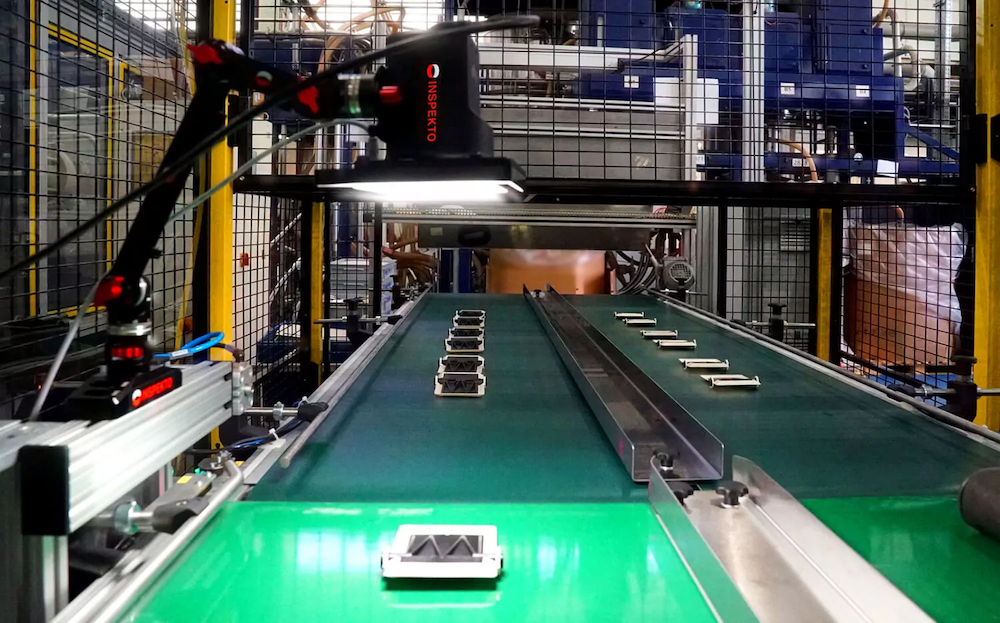
Processing speed is another important factor. Packaging lines often operate at high throughput rates, requiring vision systems to capture and analyze images within milliseconds. If inspection systems cannot keep pace with production speeds, they may create bottlenecks within the packaging line.
Vision systems also require ongoing maintenance and tuning. Changes to packaging artwork, label formats, or product appearance may require adjustments to inspection algorithms to maintain reliable detection performance.
How RBTX Learn Recommends Using This Information
RBTX Learn recommends using machine vision systems when packaging environments require consistent inspection, traceability verification, or automated quality control. Vision technology is particularly valuable in high-speed packaging operations where manual inspection is no longer reliable.
When implementing vision systems, manufacturers should identify the inspection points within their packaging process where visual verification provides the greatest operational value. Integrating cameras at labeling stations, case packing infeed points, and barcode verification areas allows packaging lines to maintain quality while operating at full production speed.
Related RBTX Learn Resources
Upstream vs Downstream Packaging Automation: How the Two Systems Interact
Manual vs Semi-Automated vs Fully Automated Packaging Lines